
For NHS Trust estates, facilities, and laundry managers, 2026 represents a critical milestone in regulatory oversight. The grace periods for modern framework adoption have passed, and the reality of strict, data-driven auditing is now front and centre. As the Care Quality Commission (CQC) and internal trust assurance frameworks tighten their scrutiny, linen and laundry management has evolved from a background utility into a frontline defense for Infection Prevention and Control (IPC).
Meeting these modern standards requires a deep dive into three interconnected areas: technical compliance under the National Cleanliness Standards, advanced chemical disinfection protocol updates, and a structural push to eliminate the liability of domestic uniform laundering.
1. Auditing for the New National Cleanliness Standards: What 2026 Inspections Mean for Linen Teams
The National Standards of Healthcare Cleanliness are now fully operational across all acute settings. For linen teams, 2026 inspections look vastly different than they did a few years ago. Auditors are no longer just looking for visibly clean sheets; they are auditing the end-to-end trace-system of Standard Operating Procedures (SOPs).
A primary focus of current trust assurance frameworks is the strict functional and physical segregation of clean and dirty linen. This prevents cross-contamination during transit, storage, and processing.
Key Inspection Focus Areas for 2026:
-
Physical Segregation: Clear, uncompromised zoning within laundry facilities and transit corridors. Clean linen must never share airflow, surfaces, or transport containers with fouled or infected linen without validated decontamination steps.
-
Robust Data Logging: If a process isn’t logged, it didn’t happen. Inspections demand real-time data capturing that proves every batch has undergone the exact temperature, chemical exposure, and duration required for compliance.
-
SOP Mapping: Managers must actively map daily operational workflows directly to the National Standards’ technical audit sheets, demonstrating a continuous loop of monitoring, rectifying, and reporting.
2. The Evolving C. diff Protocol: Beyond Temperature in 2026
While Health Technical Memorandum (HTM) 01-04 remains the fundamental anchor for healthcare laundry processing, relying strictly on historic thermal disinfection parameters is no longer sufficient to guarantee audit success. Updated microbiology insights have forced a paradigm shift in how we handle resilient pathogens—most notably Clostridioides difficile.
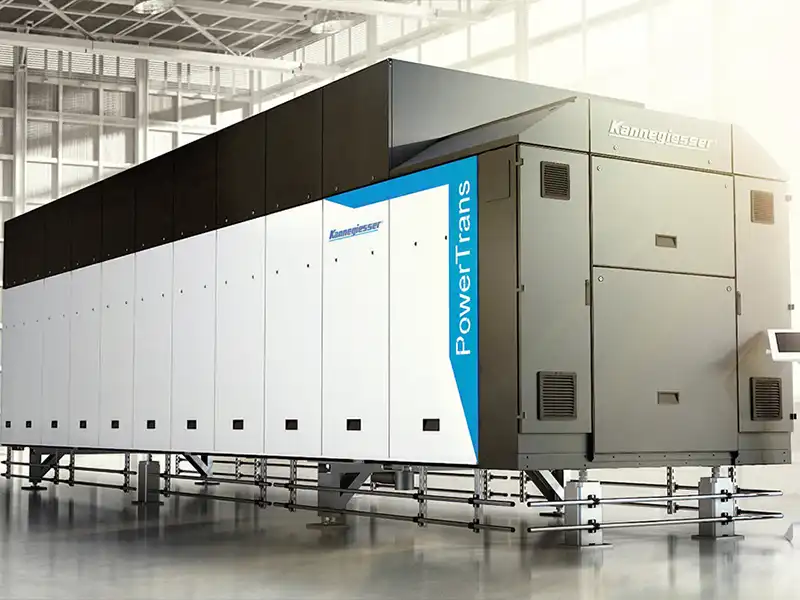
Recent data confirms that traditional thermal disinfection cycles struggle to entirely eradicate heavy C. diff spore loads, which possess an outer coat highly resistant to heat alone. In response, modern Continuous Tunnel Washers (CTWs) must utilise dual-action validation protocols to pass 2026 IPC audits.
[Traditional Focus] ---------> Thermal Disinfection Only (Struggles with spores)
                                       ↓
[2026 IPC Audit Focus] ------> Thermal + Peracetic Acid/Sodium Hypochlorite Validation
To ensure compliance, trusts must integrate precise chemical validation alongside heat:
-
Oxidising Agents: Incorporating precisely dosed peracetic acid or validated chlorine-based formulations into the wash cycle breaks down the protective protein shell of the spore.
-
CTW Calibration: Continuous monitoring systems within the CTW must prove that the chemical concentration, water pH, and peak thermal disinfection levels are maintained concurrently for the exact required contact time.
3. Uniforms at Home: Building the 2026 Business Case Against Domestic Laundering
One of the most glaring vulnerabilities in a trust’s IPC framework is the reliance on staff laundering their uniforms or scrubs at home. Under unified care frameworks, this practice has transitioned from a logistical convenience into a major compliance liability.
Domestic washing machines cannot guarantee the strict temperature hold times or chemical environments necessary to eliminate healthcare-associated pathogens. Furthermore, the transport of contaminated uniforms in personal vehicles poses an unquantifiable community transmission risk.
Building a business case to centralise uniform processing in 2026 Centres on risk mitigation, sustainability, and quality assurance.
Constructing the Centralisation Business Case:
-
Risk Mitigation: Transitioning to barrier-validated commercial hubs eliminates the “blind spot” of home washing, placing uniform decontamination entirely within a controlled, auditable framework.
-
Environmental Efficiency: Centralised commercial hubs utilise advanced water recycling and energy-efficient thermal systems. This significantly reduces the trust’s overall carbon footprint compared to thousands of individual, inefficient domestic wash cycles, directly supporting NHS Net Zero goals.
-
Staff Well-being and Retention: Providing professionally laundered scrubs removes a financial and time burden from frontline staff, positioning the trust as an employer of choice that prioritises workforce safety.
The shift in 2026 regulatory standards rewards proactive, data-driven facilities management. By refining SOPs for the National Cleanliness Standards, upgrading CTW chemical protocols to combat spore-forming pathogens, and building a definitive case against domestic laundering, linen and laundry managers can ensure their trusts remain fully compliant, highly efficient, and above all, safe for patients and staff alike.


No comment